SEO search optimization is the strategic practice of improving a website's visibility across search engines and AI interfaces. In 2026, success relies on three core pillars: Technical Infrastructure (crawling and speed), Content Relevance (human-centric value), and Authority (backlinks and trust). Modern SEO has evolved into Generative Engine Optimization (GEO), where ranking involves being cited by AI models as much as appearing in traditional search results.
Search Engine Optimization (SEO) has undergone a significant transformation since its inception in 1997. What began as a simple process of keyword repetition has matured into a complex ecosystem of technical precision and human-centric authority. Today, SEO is not merely about "tricking" an algorithm; it is a maturity process of building long-term site trust through technical excellence and genuine relevance.
According to Search Engine Land, SEO encompasses unpaid visibility across web, image, video, and AI-assisted interfaces. As we navigate the landscape of 2026, understanding the intersection of traditional search and generative discovery is essential for any digital presence.
How Search Engines Find and Index Your Website
The journey of a webpage begins long before a user types a query. Search engines like Google use automated programs called "crawlers" or "spiders" to explore the vast expanse of the internet. These crawlers follow links from one page to another, discovering new content and reporting back to a massive database known as the Index.
Site architecture plays a vital role in this discovery process. Pages located closer to the root folder (e.g., yourdomain.com/page) are typically prioritized by crawlers over those buried deep within multiple subfolders. A logical, shallow hierarchy ensures that search engines can efficiently map your site and understand the relationship between different topics.
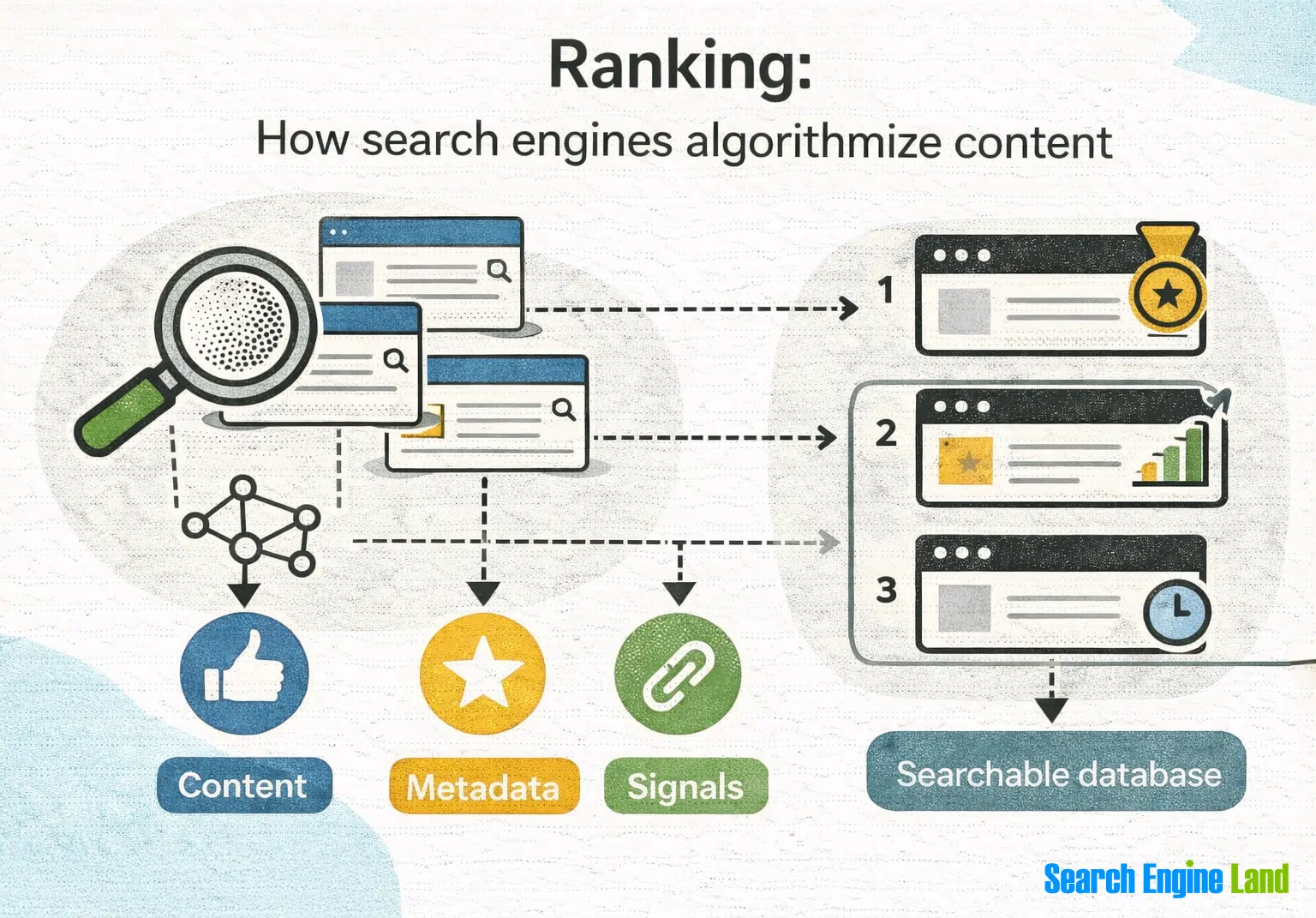
Image source: Search Engine Land
To verify what a search engine has actually stored in its database, you can use the site: operator. By searching for site:yourdomain.com, you can see exactly which pages are currently indexed. If a page doesn't appear here, it cannot rank, regardless of how well-written the content may be. This is often the first step in troubleshooting visibility issues.
Why Mobile-First Optimization Is the Baseline for Success
In 2015, the search landscape shifted permanently when Google began prioritizing mobile search results. In the current era, mobile-first indexing is the standard. This means the mobile version of your website is considered the primary version for ranking purposes. If your site is slow or difficult to navigate on a smartphone, your desktop rankings will likely suffer as well.
Core Web Vitals have become non-negotiable ranking factors. these metrics measure loading speed, interactivity, and visual stability. A site that loads quickly and remains stable as elements appear provides a superior user experience, which search engines reward. Beyond rankings, optimization has real-world economic impacts; for instance, Quora discussions highlight how optimized comparison sites can help users save significant amounts annually by making essential information findable at the point of need.
How to Build Content That Survives the Reddit Filter
A growing trend among modern users is the "Reddit-filter" phenomenon. Frustrated by "content mills" that produce over-optimized, low-value articles, many searchers now append the word "Reddit" to their queries to find authentic human experiences. This shift indicates a deep user distrust of content that feels like it was written solely for a bot.
To rank in this environment, you must adopt Human-to-Human (H2H) optimization. This involves writing content that feels authoritative and authentic. Instead of generic advice, provide specific data points, personal anecdotes, and unique perspectives that an AI or a low-quality content farm cannot replicate. The goal is to provide enough "information gain" that a user doesn't feel the need to look elsewhere for a "real" answer.
Niche subreddits are also a goldmine for keyword research. By observing the specific phrasing and recurring pain points discussed by real people, you can identify long-tail keywords that traditional SEO tools often overlook. Capturing this traffic allows you to build a loyal audience that values your expertise over algorithmic tricks.
Transitioning from Traditional SEO to Generative Engine Optimization
The rise of Large Language Models (LLMs) like ChatGPT and Perplexity has introduced a new frontier: Generative Engine Optimization (GEO). While traditional SEO focuses on ranking among "blue links," GEO focuses on being the source cited by AI models when they generate answers for users.
Optimizing for citability requires a shift in how content is structured. AI models prefer clear hierarchies, structured data (Schema markup), and concise, factual statements that are easy to parse. By providing "citation-ready" content—such as clear definitions, bulleted summaries, and well-supported claims—you increase the likelihood that an AI will credit your site as a primary source.
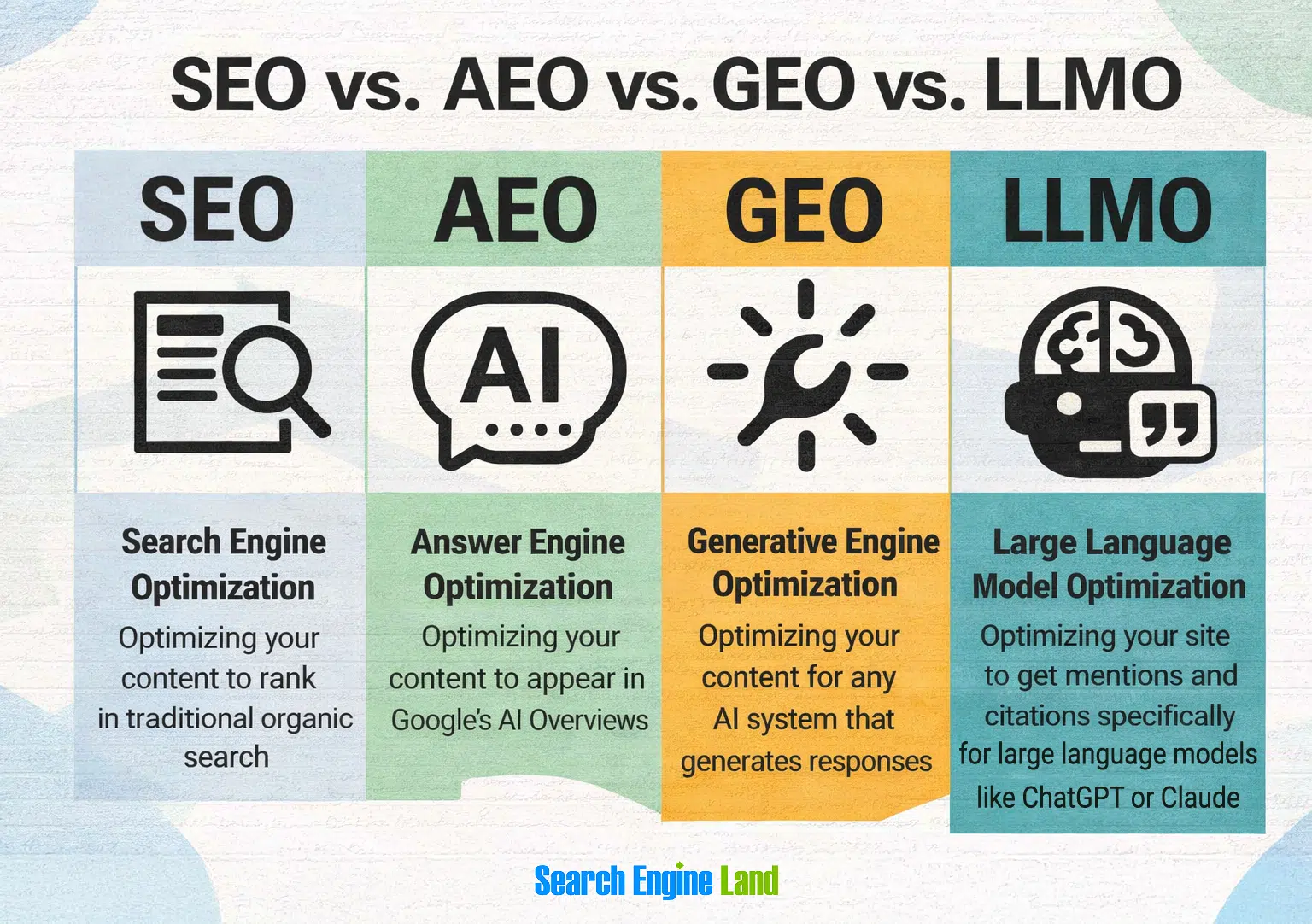
Image source: Search Engine Land
Technical Fixes for Modern Single Page Applications
Modern web development often utilizes Single Page Applications (SPAs) and no-code app builders like Bubble.io. While these tools offer great user experiences, they often present a "crawling gap." Because these sites rely heavily on JavaScript to load content, search engine bots may struggle to discover all the pages on the site.
One common pitfall is the use of JavaScript-only buttons for navigation. If a crawler cannot find a standard HTML <a href> tag, it may never find the linked page. For developers using platforms like Bubble, it is essential to replace "Workflow Redirects" with actual "Link" elements. This ensures that the site's path discovery remains intact for bots, allowing every page to be indexed and ranked appropriately.
The Three Pillars of a Modern SEO Strategy
A successful SEO strategy is built on three distinct but interconnected pillars. Neglecting any one of these can stall your growth, regardless of how strong the others are.
Infrastructure
The "Defense" of your site. Focuses on sitemaps, robots.txt, SSL security, and ensuring crawlers can access your content without errors.
Relevance
The "Offense" of your site. Involves aligning keyword intent with headings, metadata, and high-quality body copy that answers user questions.
Authority
The "Fanbase" of your site. Building trust through backlinks, social signals, and brand mentions that act as "votes" of confidence.
| Pillar | Primary Focus | Key Tasks | Impact Time |
|---|---|---|---|
| Technical | Crawlability | Site speed, Mobile-friendliness, XML Sitemaps | Days to Weeks |
| On-Page | User Intent | Keyword research, H1-H3 tags, Content quality | Weeks to Months |
| Off-Page | Trust/Authority | Link building, PR, Brand mentions | Months to Years |
Your Day 1 SEO Execution Checklist
If you are starting a new project, the "actionability gap" can be overwhelming. Follow this sequence to establish a strong foundation from the first day.
- Set up Google Search Console: This is your direct line of communication with Google. Submit your XML sitemap immediately to trigger the crawling process.
- Conduct "Human-First" Research: Browse Reddit and Quora for your topic. Identify the specific questions people are asking and the language they use to describe their problems.
- Audit Mobile Responsiveness: Use tools like PageSpeed Insights to ensure your site loads in under 2.5 seconds and passes the Core Web Vitals assessment.
- Map Keywords to URLs: Assign one primary keyword to each page to avoid "keyword cannibalization," where multiple pages on your site compete for the same search term.
- Create a Link-Worthy Asset: Produce one piece of original data, a unique tool, or a deep-dive guide that others in your industry will naturally want to reference.
Which SEO Tools Are Actually Worth Using?
The market is flooded with tools, but a few stand out as top choices for professionals. For commercial research and backlink analysis, platforms like Ahrefs, SEMrush, and Moz are widely considered among the strongest options. These tools provide deep insights into competitor strategies and keyword difficulty.
However, you don't need a massive budget to start. Free essentials like Google Search Console and PageSpeed Insights provide the most accurate data regarding your site's performance in Google's eyes. It is important to note that SEO competency is not just about the tools; industry veterans suggest that true mastery typically takes roughly three years of hands-on experience across different markets to fully understand the nuances of search behavior.
Frequently Asked Questions
- How long does it take for SEO changes to take effect?
- SEO is not instantaneous. While some technical changes can be detected by crawlers within hours, it typically takes a few weeks for a standard assessment window to reflect in rankings. For new sites or highly competitive keywords, it may take several months of consistent effort to see significant movement in the SERPs.
- Is SEO dead because of AI and Generative Search?
- No, SEO is not dead; it is evolving. While the interface is changing from "blue links" to generative answers, the underlying need for high-quality, authoritative information remains. The focus is shifting toward GEO (Generative Engine Optimization), where being a cited source for AI models is the new benchmark for success.
- What is the difference between organic and paid search?
- Organic search results are earned through relevance, technical quality, and authority; they do not require payment for clicks. Paid search (PPC) involves bidding on keywords to appear at the top of the page. While paid search offers immediate visibility, organic search provides long-term, sustainable traffic without a per-click cost.
- Can I perform SEO for $0?
- Yes, it is possible to start SEO with zero financial investment by using free tools like Google Search Console and focusing on creating exceptionally strong content. However, as you move into more competitive niches, you may eventually need to invest in professional research tools or authority-building campaigns to maintain a competitive edge.
- What are the 4 types of SEO?
- The four primary types are On-page SEO (content and keywords), Off-page SEO (links and reputation), Technical SEO (site structure and speed), and Local SEO (optimizing for geographic-specific searches like "near me" queries).
Key Takeaways for SEO Success
SEO in 2026 requires a balanced approach that satisfies both the algorithmic requirements of search engines and the trust requirements of human users.
- Prioritize mobile-first infrastructure and fast-loading Core Web Vitals to meet the baseline ranking criteria.
- Optimize for AI citations (GEO) by using structured data and clear, factual content hierarchies.
- Write for humans first to bypass the "Reddit-filter" and build genuine authority that AI cannot replicate.
- Ensure technical crawlability by using standard HTML links, especially in Single Page Applications or no-code environments.
- Allow 3-6 months for significant authority building, as SEO is a long-term maturity process rather than a quick fix.
- Use "site:" operators and Search Console regularly to monitor your indexing status and catch errors early.
Start your journey today by auditing your site's mobile speed and submitting your sitemap to Google Search Console.